Switching to solar is one of the smartest investments a homeowner can make today. But before you install those sleek blue or black panels on your roof, the most common question is: “How much electricity will I actually get?”
Understanding solar output helps you calculate your savings and ensures you install a system that truly meets your family’s needs.
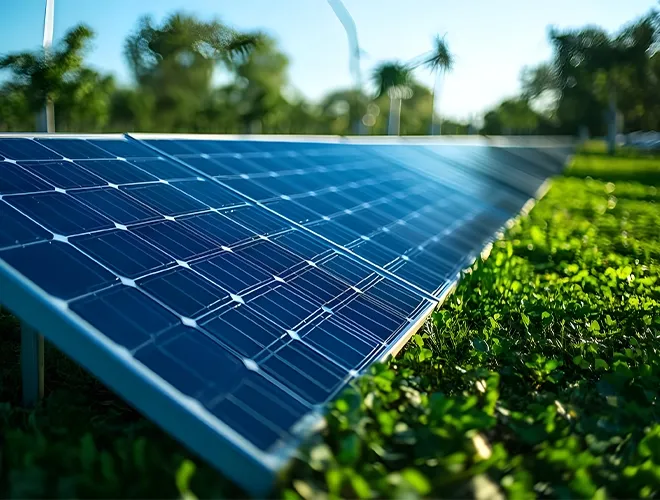
On average, a single residential solar panel produces between 250 and 400 watts of power per hour. However, since the sun isn’t at its peak all day, we look at daily production:
You don’t need to be an engineer to estimate your solar generation. Here is a simplified way to look at the math:
Example: A 4 kW system x 4.5 hours x 0.8 = 14.4 units per day.
Not all rooftops are created equal. To get the “maximum juice” out of your investment, consider these variables:
For homes in the Northern Hemisphere (like India), panels should ideally face South. The angle of the tilt should be adjusted to capture the most direct sunlight. Even a small shadow from a nearby tree or chimney can significantly drop your production.
In dusty environments, a thin layer of grime can block sunlight. Regular cleaning—usually just a simple water rinse—can keep your efficiency at 100%.
While the math is simple, the installation is an art. We don’t just “bolt panels to your roof.” We provide:
Yes! Solar panels don’t need direct “heat”; they need light. Even on a cloudy day in Tamil Nadu, high-quality panels can still produce about 25–30% of their usual capacity. While production drops during heavy rain, the rain actually helps by naturally washing away dust, which improves efficiency once the sun comes out.
A typical 1kW system requires about 100–120 sq. ft. of shadow-free area. So, for a 3kW system, you would need approximately 300–350 sq. ft. We always ensure there is extra space left for walking and maintenance cleaning.
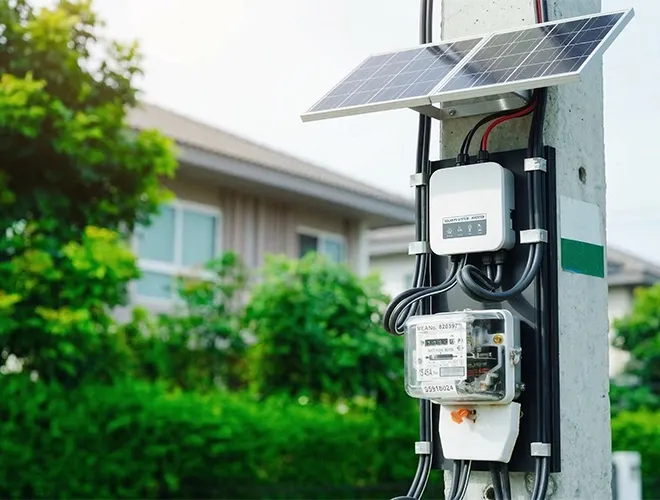
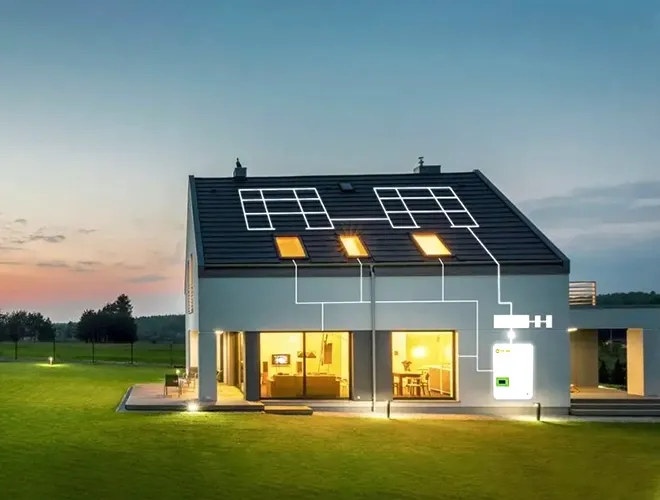
Net Metering is a system where your solar plant is connected to the TANGEDCO (EB) grid.
Absolutely. A well-designed 3kW or 5kW system can easily power heavy appliances like Air Conditioners, refrigerators, and washing machines. Since ACs are mostly used during the hot afternoons when solar production is at its peak, they are the perfect match for a solar rooftop system.
For most residential setups in India, the system pays for itself in 4 to 5 years through electricity bill savings. Since solar panels have a lifespan of 25 years, you essentially enjoy 20 years of free electricity.
No. In most parts of Tamil Nadu, a simple water wash once every two weeks is enough to keep the dust off. If your house is near a main road or a construction site, you might need to clean them once a week to ensure maximum sunlight absorption.
Yes! Under the PM-Surya Ghar: Muft Bijli Yojana, residential households can avail of significant subsidies. For example, a 3kW system currently attracts a subsidy of approximately ₹78,000, making the initial investment much more affordable.
Let’s power your future together.

Asian Power Tech is a TNEB-licensed solar and electrical solution company based in Salem, Tamil Nadu
206, Ambalavanaswamy Koil Street, Gugai,
Salem – 636006,
Tamil Nadu, India
© 2025 Asian Power Tech. All Rights Reserved.