Switching to solar isn’t just a “green” trend anymore in 2026, it is a strategic financial move. With electricity tariffs in India continuing to climb and the government doubling down on renewable incentives, residential rooftop solar has become one of the highest-yielding investments for homeowners.
But how do you move from a high electricity bill to a zero-balance statement? This guide breaks down everything you need to know about rooftop solar installation, from choosing the right technology to maximizing your Return on Investment (ROI).
The solar landscape has evolved. Modern systems are more efficient, taking up less roof space while generating more power even on cloudy days. By installing a residential solar plant, you benefit from:
Not all solar setups are created equal. Choosing the right components determines how much you save over the next 25 years.
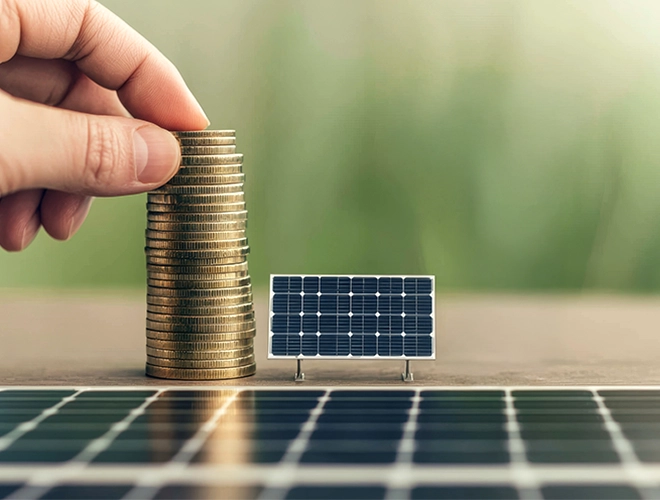
While the initial setup involves a capital layout, the Payback Period in India has now dropped to an average of 3 to 4 years.
Typical Cost Components Include:
Pro Tip: Always ask your provider about current PM-Surya Ghar: Muft Bijli Yojana benefits or state-specific subsidies in Tamil Nadu to significantly reduce your out-of-pocket expenses.
Solar systems are “low maintenance,” not “no maintenance.” To ensure you hit those 16–18 units of production per day (for a 4kW system):
It sounds like you’re putting together a solid resource for homeowners! Since you’re targeting 2026, people are generally more “solar-literate” but have deeper concerns about long-term tech and red tape.
Here is a humanized, plain-English FAQ designed to sound like a conversation with a trusted expert rather than a manual.
It’s the biggest “gotcha” in solar. If you have a standard On-Grid system, no. For safety reasons, the system shuts down so it doesn’t leak electricity back into the grid while workers are fixing the lines. If you want the lights to stay on during a blackout, you’ll need a Hybrid system with battery storage.
It used to be, but in 2026, the process is much more streamlined. Essentially, a “Net Meter” tracks what you give to the grid vs. what you take. If you generate more than you use, you get credits. Most reputable installers now handle the “liasoning” (the paperwork and bribes of time) with the EB office as part of their package.
Think of your panels like a car windshield. If it’s covered in dust or bird droppings, the light can’t get through. In dusty areas like Salem or Coimbatore, a quick rinse with plain water (no harsh soaps!) every 15 days can keep your efficiency from dropping by 10% to 15%.
Solar panels are the marathon runners of the tech world. Most come with a 25-year performance warranty. They don’t just “die” at year 25; they just slowly become less efficient. Your inverter, however, is the “brain” that works the hardest and might need a replacement or service around the 10–12 year mark.
Solar panels aren’t “sunlight” panels; they are “light” panels. They still produce electricity on cloudy days, just at a lower rate (roughly 25-30% of their peak). Since your ROI is calculated on an annual average, those rainy weeks are already factored into the math.
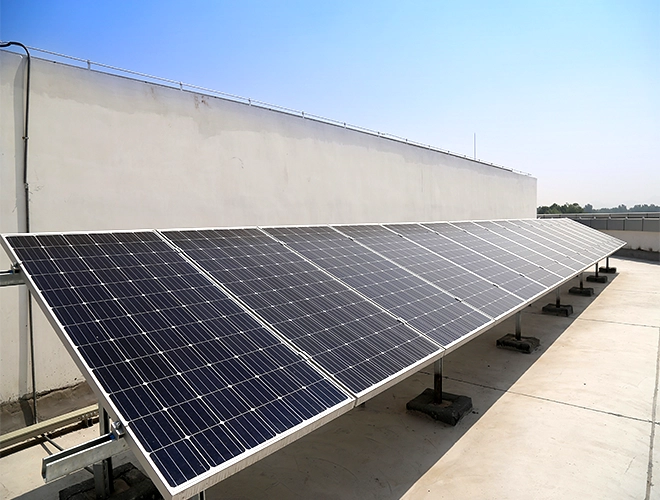
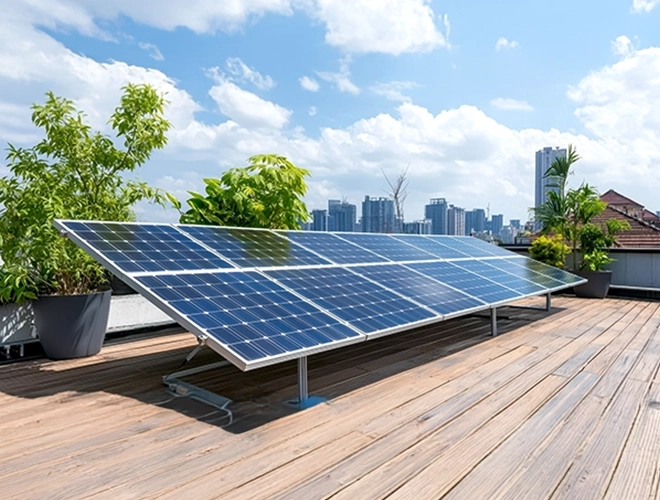
Standard RCC (concrete) roofs are more than capable of handling the weight. The real thing to check is the Mounting Structure. You want galvanized iron or aluminum that’s bored into the roof and waterproofed properly so you don’t end up with leaks during the monsoon.

Let’s power your future together.

Asian Power Tech is a TNEB-licensed solar and electrical solution company based in Salem, Tamil Nadu
206, Ambalavanaswamy Koil Street, Gugai,
Salem – 636006,
Tamil Nadu, India
© 2025 Asian Power Tech. All Rights Reserved.